
Quick Summary
Ticket validation is the process of confirming a ticket is legitimate, unused, and approved for entry, and it plays a bigger role in event success than most organizers expect. Digital validation methods like QR codes, barcodes, and mobile scanning apps have replaced manual processes, making entry faster, more accurate, and far less stressful for staff and volunteers. Real-time systems prevent duplicate entries, improve attendee flow, and keep attendance data accurate across single and multi-performance events. Choosing a platform with offline scanning, duplicate alerts, and reserved seating tools removes the most common points of failure on event night.
The moment attendees walk through your doors sets the tone for the entire event. Long lines, scanning errors, and confusion at the entrance can unravel a lot of hard work before the first curtain rises.
Ticket validation is the process that keeps all of that from happening, and understanding it properly can change how your organization approaches event night. At BookTix, we see that the difference between a frustrating entry experience and a smooth one often comes down to how well validation is set up behind the scenes.
Ticket Validation Meaning: What It Refers To
Ticket validation is the process of confirming that a ticket is legitimate and eligible for entry. In simple terms, it helps event staff determine whether a ticket is valid, has already been used, or contains incorrect information.
Being familiar with what makes a ticketing system worth using starts with understanding what happens at the door. A strong validation system helps prevent duplicate entries, reduces manual work at the door, and creates a smoother experience for attendees.
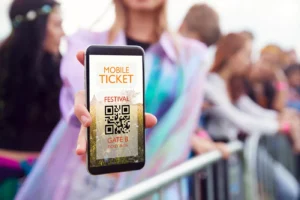
Today, ticket validation is commonly handled digitally through QR codes, barcodes, or mobile scanning tools connected to a real-time database.
How Ticket Validation Works
Modern ticket validation systems are designed to make entry management simple and efficient. The process usually takes only a few seconds from start to finish.
In most cases, the process works like this:
An attendee presents either a printed or mobile ticket
Staff scan the ticket using a mobile device or scanner
The system checks the ticket information against the event database
The ticket is either approved or denied instantly
Once validated, the ticket is marked as used to prevent duplicate entry
This real-time process helps organizations avoid long entry lines while keeping attendance accurate and organized.
For schools and community theaters managing busy performance nights, fast validation tools can significantly reduce stress for both staff and attendees.
Why Real-Time Validation Matters
Real-time ticket validation allows organizers to track entry activity as it happens instead of relying on delayed or manual updates.
This is especially important for organizations managing multiple performances, reserved seating arrangements, or high attendance events where entry needs to move quickly.
Real-time validation systems help with:
Preventing duplicate ticket usage
Reducing manual entry mistakes
Speeding up check-in lines
Tracking attendance instantly
Improving crowd flow management
Simplifying front-of-house operations
Once a ticket is scanned successfully, the system immediately updates its status so it cannot be reused again. This helps protect against accidental duplicate scans or fraudulent ticket copies.
For volunteer-based organizations or school staff managing events, this can make the entire check-in process feel much more manageable and organized.
Common Types Of Ticket Validation Methods
Different events call for different approaches. Here is a look at the most widely used validation methods and what makes each one suitable for specific situations.
QR Code Validation
QR code validation has become the go-to method because it is fast, easy to use, and works well for both printed and mobile tickets. A unique QR code on each ticket is scanned, verified instantly, and marked as used. Attendees can present the code directly from their phone, which reduces the need for printed copies altogether.
Barcode Validation
Barcodes are still widely used, particularly for printed tickets. They present a dependable validation option for many event types, though they typically hold less data than QR codes and may not offer the same flexibility for more complex ticketing setups.
Mobile Validation Apps
Mobile apps have made ticket validation accessible for organizations of all sizes. Staff can scan tickets using smartphones or tablets, removing the need for costly hardware or a complicated setup process. This approach is particularly valuable for schools and community theaters where volunteers handle entry and ease of use is a priority.
How Ticket Validation Improves The Attendee Experience
Attendees often notice ticket validation most when something goes wrong. Long lines, duplicate ticket problems, or confusion at the door can negatively impact the overall event experience before the event even begins.
A smooth validation system helps create a better first impression by making entry feel fast, organized, and professional.
Benefits for attendees include:
Faster entry into the venue
Reduced waiting times
Less confusion during check-in
Easier mobile ticket usage
Better organization for reserved seating events
For reserved-seating performances, ticket validation systems can also help staff quickly confirm seating sections and assigned seats without slowing entry flow.
This becomes especially important for theater productions, school events, and multi-performance schedules where attendee organization matters.
Common Ticket Validation Challenges
Even with modern systems, organizations can still encounter ticket validation issues when they use outdated processes or limited tools.
Some of the most common challenges include:
Slow Scanning Speeds
Older scanners or poorly optimized systems can create bottlenecks during entry, especially for large events.
Internet Connectivity Issues
Some validation systems rely entirely on internet access, which can create problems if connectivity becomes unstable during entry periods.
Manual Entry Errors
Manually checking tickets or attendance lists increases the risk of errors and significantly slows the entry process.
How Modern Ticketing Platforms Help Simplify Validation
Purpose-built ticketing platforms are designed to take the friction out of validation. Managing your attendee database and entry tools in one place means fewer systems to coordinate and less room for error on event night.
Platforms like BookTix help schools, community theaters, and organizations manage ticket validation through easy-to-use scanning tools, clear dashboards, and real-time attendance tracking. Setup is simple, and the tools are approachable enough for volunteers without technical backgrounds.
Why Ticket Validation Matters More Than Ever
Digital ticketing has become the standard, and attendee expectations have risen alongside it. People expect quick entry, mobile ticket acceptance, and an organized check-in experience. Organizations need tools that keep events secure and efficient without adding to the operational load on staff.
Without a proper validation setup, organizations risk overcrowding, inaccurate attendance records, seating confusion, and a manual workload that pulls attention away from the event itself. A well-functioning validation system addresses all of those risks before they become problems.
Getting Event Night Right Starts Before The Doors Open
Ticket validation influences how organized your entry feels, how accurately you track attendance, and how smoothly your team operates under pressure. Schools, community theaters, and nonprofits that invest in the right tools spend less time troubleshooting and more time delivering great events.
BookTix makes that possible with scanning tools, live attendance tracking, and event management features designed to keep things running without the stress. Get in touch and let us help you get set up before your next event.
FAQs
Ticket validation is the process of confirming that a ticket is legitimate and has not already been used before allowing entry into an event.
Ticket validation works by scanning a ticket’s QR code or barcode and checking it against a live database to confirm it is valid.
Validate ticket meaning refers to verifying that a ticket is authentic, active, and approved for entry.
Real-time ticket validation helps prevent duplicate entry, speeds up check-in, improves attendance tracking, and reduces manual errors.
Yes. Some modern ticketing platforms offer offline validation capabilities and automatically sync information once internet access is restored.
Yes. Ticket validation systems can help staff quickly confirm seating assignments and manage reserved seating more efficiently during entry.
Most modern ticket scanning tools are designed to be easy and stress-free, allowing staff or volunteers to learn the system quickly.
Many platforms allow organizations to set up events, begin selling tickets, and start validating entries quickly through streamlined onboarding and mobile tools.