Quick Summary
A successful event starts with thoughtful planning, clear goals, and a strong understanding of your audience. Building a structured marketing strategy, creating engaging content, using multiple promotional channels, and reviewing campaign results all contribute to stronger attendance and better long-term outcomes. With the right approach and reliable event management tools, organizers can create memorable experiences while continuing to grow future events.
Creating a memorable event takes much more than booking a venue and inviting guests. Every successful event begins with a thoughtful event marketing plan that attracts the right audience and keeps excitement growing until the event begins. A structured approach helps organizers reach more people, increase ticket sales, and create stronger connections before, during, and after an event.
Marketing is no longer limited to posters or social media updates. Modern audiences discover events through multiple channels, compare different experiences, and expect a smooth buying journey. Planning each marketing activity in advance helps businesses stay organized while making better decisions throughout the campaign.
Start With Clear Goals
Every marketing campaign needs a destination before the journey begins. Setting goals gives every promotional activity a purpose and helps measure progress over time.
Some events focus on selling tickets. Others aim to increase brand awareness, generate leads, strengthen customer relationships, or introduce a new product. Defining the primary objective keeps every marketing decision aligned with the desired outcome.
Goals should also include measurable results. Registration numbers, attendance rates, website traffic, social engagement, and email performance all paint a clearer picture of campaign success.
Having these benchmarks from the beginning makes it easier to evaluate what worked after the event ends.
Know Exactly Who You Want To Reach
The most effective campaigns speak directly to a specific audience instead of trying to appeal to everyone.
Think about the people most likely to attend. Consider their interests, age group, profession, location, and online habits. Learning how they consume information helps determine where promotional efforts should be concentrated.
Some audiences spend more time on LinkedIn, while others discover local events through Instagram, Facebook, TikTok, or community newsletters.
Creating audience profiles also helps shape the tone of every advertisement, email, and social media post. When people feel that an event speaks directly to them, they are far more likely to register.
Build A Strong Event Message
People decide quickly if an event is worth their attention. That is why every campaign needs a clear message explaining why the event matters. Instead of listing only dates and locations, focus on the experience attendees will gain.
Highlight unique speakers, entertainment, networking opportunities, workshops, exclusive activities, or limited experiences that cannot be found elsewhere.
Strong messaging creates curiosity while giving people a reason to act today instead of waiting until later.
Consistency also matters. Using similar language, visuals, and branding across every platform creates familiarity and strengthens recognition throughout the campaign.
Create A Marketing Timeline
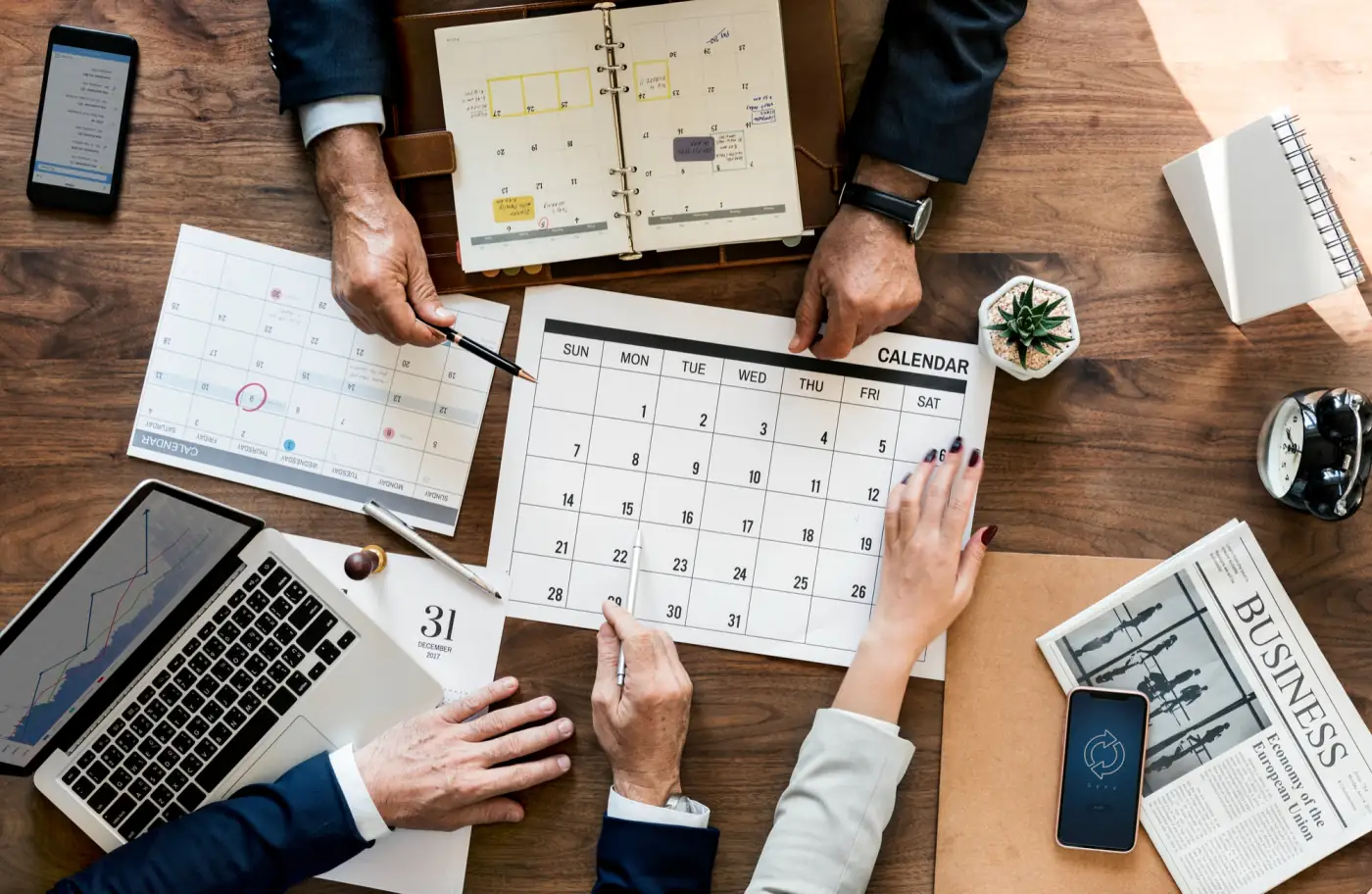
Successful campaigns rarely happen at the last minute. Building a marketing calendar allows each promotional activity to support the next one naturally. Early announcements introduce the event. Mid-campaign promotions maintain interest. Final reminders encourage those who have not purchased tickets yet.
Spacing promotional content over several weeks keeps audiences engaged without overwhelming them.
A timeline also helps teams coordinate email campaigns, social media posts, paid advertising, partnership announcements, and content updates. Planning ahead reduces unnecessary stress while keeping every campaign organized.
Use Multiple Marketing Channels
Different people discover events in different ways. Some respond to email newsletters. Others rely on social media recommendations or online searches. Many attendees first hear about an event through friends or professional networks.
Reaching people across multiple channels creates more opportunities for discovery. Email remains one of the strongest communication tools because it reaches audiences who have already shown interest.
Social media builds excitement through videos, behind-the-scenes content, countdowns, and attendee interaction.
Blog articles improve search visibility while helping answer common questions before people register. Paid advertising expands reach beyond existing followers and introduces events to new audiences. Combining several channels often creates stronger results than relying on only one platform.
Create Content That Builds Excitement
Promotion should feel like a story instead of a sales pitch. Every piece of content can reveal another reason to attend.
Speaker interviews, rehearsal footage, venue previews, attendee testimonials, countdown graphics, and short videos all help maintain momentum throughout the campaign.
Sharing useful information also builds trust. Educational articles, industry insights, and practical tips related to the event topic position the organizers as knowledgeable while giving audiences another reason to stay connected.
Fresh content keeps conversations active and encourages people to share updates with others.
Encourage Early Registrations
Early ticket sale builds confidence and creates positive momentum. People often feel more motivated when they notice others registering for an event.
Limited-time pricing, exclusive bonuses, VIP upgrades, or early access opportunities encourage quicker decisions without relying on aggressive sales tactics.
Clear deadlines also create urgency. Simple reminders about pricing changes or limited availability can motivate hesitant buyers before interest fades.
Make The Registration Process Simple
A great marketing campaign can lose momentum if buying tickets becomes frustrating. Visitors should move from discovering the event to completing registration in only a few simple steps.
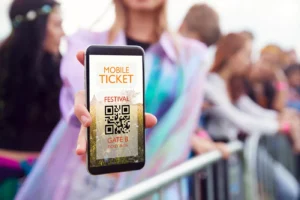
Mobile optimization plays an important role because many attendees purchase tickets from their phones.
Fast loading pages, secure payment options, and immediate confirmations create a smoother experience. Reducing unnecessary steps often leads to stronger conversion rates and happier attendees.
Keep The Audience Engaged Before The Event
Marketing should continue after someone purchases a ticket. Targeted emails can introduce speakers, highlight schedules, answer common questions, and build anticipation.
Social media communities encourage attendees to interact before arriving. Short updates about venue preparations, featured guests, giveaways, or exclusive announcements help maintain excitement.
People who feel connected before the event often arrive with greater enthusiasm and participate more actively.
Measure Results And Learn From Every Event
Marketing does not stop when the doors open. Reviewing campaign performance helps identify strengths and opportunities for future improvements.
Registration trends reveal when people purchased tickets. Website analytics show where visitors came from. Email reports identify which messages generated the strongest response. QR Codes can help you track your marketing even further and see how people found your link, whether it was the poster, school bulletin, etc.
Social engagement also highlights which content attracted the most attention. Collecting attendee feedback offers another valuable perspective.
Understanding what people enjoyed and where improvements can be made creates stronger campaigns for future events. Small adjustments often lead to noticeable improvements over time.
Technology Makes Modern Event Promotion Easier
Digital tools have transformed the way businesses organize and promote events. An integrated event marketing platform helps organizers manage registrations, ticket sales, attendee communication, and campaign performance from one place.
Automation reduces repetitive tasks while keeping communication timely and consistent.
Real-time reporting also helps marketing teams respond quickly if registrations begin slowing or certain campaigns outperform expectations.
Technology allows teams to spend more time creating memorable experiences instead of managing manual processes.
Build Long-Term Relationships With Attendees
Every event creates an opportunity to strengthen lasting relationships. Following up after the event keeps conversations going beyond a single experience.
Thank-you emails, event photos, recordings, and future announcements remind attendees of the value they received. Inviting feedback also shows that every opinion matters.
People who enjoy one event often become repeat attendees and enthusiastic advocates who recommend future events to colleagues, friends, and family. Strong relationships create lasting communities instead of one-time audiences.
Bringing Every Event Together
Successful marketing events rarely happen by chance. They result from thoughtful planning, consistent communication, and a genuine understanding of the audience. Every campaign becomes stronger when goals are clear, messaging stays consistent, and promotional activities follow a structured timeline. Learning from past events also creates valuable insights that shape future success.
At BookTix, we believe every event deserves tools that simplify promotion while creating a better experience for organizers and attendees alike. Our ticketing and event management solutions help businesses manage registrations, connect with audiences, and grow successful events with greater confidence. When you are ready to bring your next event to life, we are here to support every stage of the journey.
FAQs
An event marketing plan is a strategy that outlines how an event will be promoted before, during, and after it takes place. It includes goals, target audience research, marketing channels, content planning, and performance tracking to help attract attendees and improve results.
A well-planned strategy helps organizers reach the right audience, build excitement, increase ticket sales, and make better use of their marketing budget. It also makes it easier to measure campaign performance and improve future events based on real data.
A good event marketing platform should support ticket sales, attendee registration, email communication, event promotion, payment processing, reporting, and analytics. Having these features in one system helps organizers save time while creating a smoother experience for attendees.