Quick Summary
Secure ticketing systems protect far more than just payment data; they safeguard ticket authenticity, attendee information, event revenue, and organizational access controls all at once. Features like encrypted payment processing, PCI compliance, unique QR validation, and fraud monitoring work together to reduce the most common risks organizations face. Smaller organizations, including schools, community theaters, and nonprofits, are just as exposed to ticketing fraud and duplicate entry issues as larger events. The most effective platforms combine these protections with an interface approachable enough for volunteers and small teams to manage without technical expertise.
Security is not something most event organizers think about until something goes wrong. A duplicate ticket dispute at the door, a payment fraud case, or a data exposure incident can unravel months of planning in a matter of hours.
Secure ticketing is a foundation that protects your attendees, your revenue, and your organization’s reputation. At BookTix, we work with schools, community theaters, and nonprofits who need ticketing tools that are approachable to use and dependable behind the scenes.
What Is A Secure Ticketing System?
A secure ticketing system is a platform designed to safely handle ticket sales, payment processing, attendee data, and event entry from start to finish. What sets a well-designed secure ticketing platform apart is the combination of protections working together, not just one isolated feature.
The assets a security ticketing system is designed to protect include:
Customer payment information
Ticket authenticity and uniqueness
User account access
Event revenue
Organizational and attendee data
Modern platforms typically layer several tools to achieve this: encrypted payment processing, unique ticket validation, fraud monitoring, access controls, and cloud-based infrastructure. Together, these create a safer and more organized experience for organizers and attendees alike.
Why Ticketing Security Matters
Smaller organizations often assume security concerns are reserved for large-scale commercial events. In practice, schools, community theaters, and nonprofits face many of the same vulnerabilities, often with fewer technical resources to manage them.
Volunteer-run events with multiple staff members and limited oversight can be particularly exposed. Without the right protections in place, even minor ticketing issues can escalate into operational headaches.
A secure ticketing platform reduces risks such as:
Duplicate ticket usage at the door
Unauthorized refunds or unauthorized edits to event settings
Fraudulent purchases and payment disputes
Customer data exposure
Check-in confusion during high-attendance performances
With these protections in place, organizers can direct their energy toward running the event itself.
Key Security Features To Look For
Choosing a ticketing platform is not just about finding something easy to set up. The tools running underneath the surface matter just as much as the ones your team interacts with on event day.
Organizations that skip this evaluation often discover the gaps too late, after a fraudulent purchase, a duplicate entry dispute, or a payment issue that takes weeks to resolve.
Knowing what security features to look for puts you in a much better position to make a decision you will not have to second-guess when things get busy. Here is what deserves a close look before you commit to any platform.
Encrypted Payment Processing
Encryption protects sensitive financial information during the checkout process. Credit card numbers and billing details are secured so they cannot be intercepted during a transaction. This is one of the most fundamental features any online ticketing platform should offer.
PCI Compliance
PCI compliance refers to a set of standards governing how payment card data is handled and stored. Platforms that meet PCI standards have implemented specific security practices designed to protect buyers during online transactions. Using a PCI-compliant platform adds a meaningful layer of protection for organizations processing ticket sales.
Unique Ticket Validation
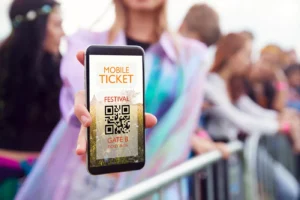
Modern ticketing systems generate a unique QR code or barcode for every individual ticket purchase. These identifiers prevent duplication and make it possible to scan each ticket only once during entry. Real-time validation marks tickets as used immediately after scanning, stopping duplicate entry attempts before they become a problem.
Fraud Detection Tools
Automated fraud monitoring helps identify suspicious behavior before it causes financial damage. This can include repeated failed payment attempts, unusual purchasing volumes, bot-driven bulk purchases, and duplicate transactions. These tools work in the background without adding friction for legitimate buyers.
User Permissions And Access Control
Events often involve multiple team members with different roles. Secure platforms let administrators define exactly what each user can access or modify within the system. Organizations can restrict permissions around refunds, pricing adjustments, event editing, and reporting visibility. This limits the risk of accidental changes or unauthorized activity.
Common Ticketing Security Risks
Even well-intentioned organizations can run into problems when using outdated systems or poorly managed processes. These are the risks that tend to catch people off guard.
Fake Or Duplicated Tickets
Without unique validation tools, copied or counterfeit tickets may be accepted at the door. This leads to overcrowding, revenue loss, and attendee disputes that are frustrating to resolve in the moment.
Unauthorized Access
Shared logins or weak permission structures create openings for unintended changes to event settings, pricing, or financial data. It does not have to be malicious to cause serious problems.
Data Breaches
Systems without proper safeguards can expose customer information or payment data. The damage to attendee trust tends to outlast the incident itself.
Chargebacks And Payment Fraud
Fraudulent purchases often result in payment disputes that cost organizations both time and revenue. Without proper documentation and platform protections, recovering from chargebacks is a slow and draining process.
How Modern Ticketing Platforms Improve Security
Today’s platforms are designed to handle security without making things complicated for the people running the event. A better attendee experience starts with a platform that works well behind the scenes, and security is a significant part of that.
Modern security ticketing systems bring together real-time ticket validation, encrypted payment processing, automated fraud monitoring, mobile scanning tools, cloud-based infrastructure, and controlled user permissions in one centralized place.
BookTix applies this approach so that schools, theaters, and community organizations can manage ticket sales and event entry without needing a technical background or a dedicated IT team. The goal is a platform that protects your event without creating extra work for your staff.
How To Evaluate A Ticketing Platform’s Security
When comparing ticketing systems, organizations should look beyond basic ticket sales features and evaluate how security is handled throughout the platform.
Important questions to ask include:
Does the platform use encrypted payments?
Is the system PCI compliant?
Are tickets uniquely generated and validated?
Does the platform support real-time ticket scanning?
Are fraud monitoring tools included?
Can administrators manage user permissions?
Does the system support secure mobile ticketing?
Reviewing these areas can help organizations choose a platform that balances both security and ease of use.
Why Ease Of Use Still Matters
Security features only deliver value if the people running the event can use the platform. Complicated systems create friction for staff and volunteers, which often leads to workarounds that quietly undermine the protections in place.
The best ticketing platforms pair solid security with an interface that is approachable and easy to navigate. Organized dashboards, easy reporting, and a simple event setup process mean organizations can maintain security standards without adding to the operational load during already busy preparation periods. Both things matter, and the best platforms do not make you choose between them.
Simple Tip
If you want a secure ticketing system that helps manage payments, ticket validation, user access, and fraud prevention in one organized platform, consider using a system designed specifically to simplify event management.
Protecting Your Event Starts With Choosing The Right Platform
Ticketing security shapes the attendee experience long before anyone walks through the door. Payment trust, ticket authenticity, and smooth entry all depend on how well the platform handles what happens behind the scenes. Organizations that invest in the right tools spend less time managing problems and more time delivering events worth attending.
BookTix is designed to take that weight off your shoulders, with secure payment processing, real-time validation, and event management tools that work the way your team needs them to. Tell us about your next event and let’s get it set up properly.
FAQs
A secure ticketing system is a platform that protects payments, attendee information, and ticket authenticity through encryption, fraud prevention tools, and secure validation processes.
Ticketing platforms help prevent fraud by using unique ticket codes, real-time validation, encrypted payments, and automated monitoring systems that detect suspicious activity.
Yes. Online ticket purchases are generally safe when processed through secure platforms that use encryption, PCI compliance, and protected payment processing systems.
Important security features include encrypted payments, fraud monitoring, unique ticket validation, user access controls, and secure cloud-based infrastructure.
Modern secure ticketing systems help prevent duplication by assigning unique QR codes or barcodes to each ticket and marking tickets as used once scanned.
Ticket validation helps ensure tickets are legitimate and prevents duplicate entry attempts during events.
Yes. Many secure ticketing platforms allow organizations to set user permissions and limit access to certain administrative functions.
Yes. Schools, community theaters, nonprofits, and small organizations all benefit from secure ticketing systems that help protect payments, attendee data, and event operations.