Quick Summary
Mobile ticketing, contactless entry, real-time analytics, integrated marketing, fraud prevention, and ease of use are the six trends most actively reshaping how events are managed today. Organizations that align with these trends tend to sell more tickets, reduce manual work, and deliver a noticeably better experience for attendees. Smaller organizations like schools, community theaters, and nonprofits benefit just as much as larger ones, particularly when a single platform handles promotion, sales, validation, and reporting without requiring technical expertise to operate.
The way people buy, receive, and use tickets has changed considerably over the past few years, and the organizations keeping pace with those changes tend to run smoother events with less stress on their teams. Ticketing industry trends are no longer just about selling seats. They cover everything from how attendees check in at the door to how organizers track sales in real time and run promotional campaigns without juggling multiple platforms.
At BookTix, we pay close attention to where the industry is heading because it directly shapes how we build tools for schools, community theaters, and nonprofit organizations that need event management to feel manageable.
Why Staying On Top Of Ticketing Trends Matters
Keeping up with event ticketing trends is not about chasing the latest technology for its own sake. It is about understanding which changes make events easier to run and better for attendees.
The ticketing industry trends shaping modern platforms directly impact ticket sales, staff workload, and attendee satisfaction. They also affect the time organizers spend troubleshooting rather than preparing for their events.
Organizations that adopt platforms aligned with where the industry is heading tend to handle event growth more effectively and with far less obstacles along the way.
1. Mobile-First Ticketing Continues To Grow
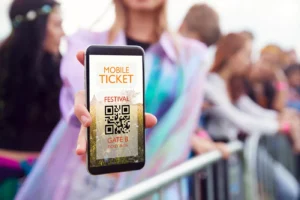
Mobile ticketing has moved from a nice-to-have feature to a baseline expectation. Attendees now purchase tickets on their phones, store them digitally, and present them at the door without ever printing anything.
This shift benefits organizers just as much as attendees. Distribution becomes easier, printing costs drop, and the logistical headaches around lost paper tickets largely disappear. Schools and community theaters in particular tend to notice the difference during busy performance weeks when staff is already stretched thin.
Mobile-friendly systems create a faster check-in experience and reduce the manual coordination that once came with paper-based ticketing.
2. Contactless Entry Systems Are Becoming Standard
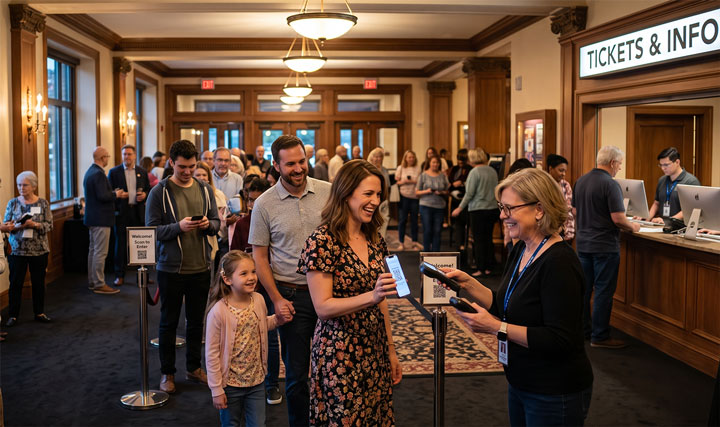
Contactless entry is one of the fastest-growing changes in the ticketing space, and it is easy to see why. Staff scan QR codes or barcodes using a mobile device or scanner; the system validates the ticket in seconds, and the line keeps moving.
The benefits stack up quickly:
Faster check-in lines and less congestion at the entrance
Improved ticket validation accuracy
Duplicate ticket prevention handled automatically
Less manual work for volunteers and front-of-house staff
Real-time attendance tracking from the moment doors open
For organizations managing theater productions, school events, or fundraisers with high attendance, streamlined entry can make a noticeable difference in how the first thirty minutes of an event feel for everyone involved.
3. Real-Time Analytics Help Organizers Make Faster Decisions
Gone are the days of waiting until after the event to find out how ticket sales performed. Modern ticketing platforms give organizers instant visibility into what is happening while sales are still active.
Real-time analytics let organizations track:
Ticket sales performance across different dates and tiers
Attendance numbers as the event approaches
Which promotional campaigns are driving purchases
Popular seating sections and availability
Sales trends across the full sales window
Visibility is useful for making decisions about pricing adjustments, promotional pushes, or event logistics. Schools and theaters running multiple productions throughout the year also find that organized reporting makes future planning considerably less guesswork-heavy.
4. Integrated Marketing Tools Are Streamlining Promotion
Switching between a ticketing platform and a separate email marketing tool, then manually tracking which promotional codes were used and by whom, is a workflow that burns through time quickly. Integrated marketing tools eliminate that problem by bringing promotion and ticketing into one place.
Common built-in marketing features now include email campaign tools, discount and promo codes, presale access controls, audience segmentation, and upsell opportunities during checkout.
Smaller teams, school programs, and community theaters without dedicated marketing staff benefit most from this. Handling ticketing and promotion from a single platform removes an entire layer of coordination from the event management process.
5. Security And Fraud Prevention Remain A Major Priority
As digital ticketing becomes more widespread, expectations around security have risen accordingly. Modern platforms now treat fraud prevention and payment protection as foundational features, not optional upgrades.
Current security standards in ticketing include encrypted payment processing, automated fraud detection, real-time ticket validation, duplicate ticket prevention, and controlled user permissions. These tools protect both the organization and the attendee from fraudulent purchases, fake tickets, unauthorized refunds, and payment disputes that can be difficult to resolve after the fact.
Schools and nonprofits running community events may not think of themselves as targets for ticketing fraud, but the risks are present at any scale. Having these protections built into the platform removes the need to manage them separately.
6. Simplicity And Ease Of Use Are Driving Platform Adoption
Perhaps the most telling ticketing trend of the past few years is how much weight organizations now place on ease of use when choosing a platform. Features matter, but not if the people using the platform cannot handle it without frustration.
Modern ticketing systems are increasingly designed around:
Fast, intuitive event setup
Organized dashboards that make information easy to find
Streamlined show creation for recurring productions
Mobile-friendly management tools
Simplified attendee communication
Easier refund and exchange workflows
Volunteer-run organizations and school staff managing events on top of their regular responsibilities need platforms that get out of the way so they can do their jobs.
Why These Ticketing Trends Matter
These trends are not happening in isolation. Seeing how they translate into practical tools gives a much clearer sense of how the right platform can help an organization sell out shows and create a better experience for everyone involved.
Taken together, these shifts point to a ticketing landscape in which mobile access, integrated marketing, contactless entry, and real-time data are table stakes. Organizations that get ahead of these changes tend to run events with less stress, better attendance, and more room to grow.
BookTix is designed with these trends in mind. We offer easier event setup, mobile ticketing, contactless scanning, integrated promotional tools, secure payment processing, and dashboards that make event management feel organized rather than overwhelming.
Simple Tip
Choose a ticketing platform that already supports modern ticketing trends like mobile ticketing, real-time reporting, integrated promotions, and contactless entry so your organization can stay ahead without constantly playing catch-up.
What The Trends Are Telling Us About The Future Of Events
The ticketing industry is not standing still, and neither are the expectations of attendees and organizers. Mobile access, contactless entry, real-time reporting, integrated marketing, and genuine ease of use are no longer differentiators. They are what organizations expect from a platform worth using.
The good news is that adopting these tools does not have to be complicated. BookTix brings it all together on a platform designed to work for your team, whatever the size of your event or organization.
Get in touch and let us show you what a modern event setup looks like for your next production.
FAQs
Current ticketing industry trends include mobile ticketing, contactless entry systems, integrated marketing tools, real-time analytics, improved security, and simplified event management platforms.
Mobile ticketing allows attendees to purchase, store, and access tickets directly from their phones, creating a faster and more convenient event experience.
Contactless ticket entry allows attendees to scan digital tickets using QR codes or barcodes without requiring manual ticket handling.
Real-time analytics help organizers monitor ticket sales, attendance trends, and event performance instantly so they can make informed decisions during active sales periods.
Dynamic pricing is a pricing strategy where ticket prices adjust based on demand, timing, availability, or purchasing trends.
Integrated marketing tools help organizations manage promotions, email campaigns, discount codes, and audience communication directly within the ticketing platform.
Modern ticketing platforms improve security through encrypted payments, fraud detection systems, real-time ticket validation, and secure user permissions.
Easy-to-use ticketing systems help reduce stress for staff and volunteers while simplifying event setup, ticket sales management, and attendee communication.